Showing posts with label Tech-Tuesday. Show all posts

Tuesday, July 19, 2016

Tech Tuesday - DIMTEC 3D's TOP 20 NEW VIRTUAL REALITY

DIMTEC 3D's TOP 20 


NEW VIRTUAL REALITY TECHNOLOGIES IN THE 
ARCHITECTURE AND DESIGN FIELD

Recently Viatechnik had released an amazing article called "50 VIRTUAL REALITY TECHNOLOGIES IN ARCHITECTURE AND ENGINEERING".  The article explained the rate of advancement in Virtual Reality technology is both rapid and amazing over the past few years, with much impact in the Architecture, Engineering and Construction (AEC) Industry. Many of the tech giants such as Microsoft, Google (Article), and even Facebook (Facebook acquiring Oculus VR) are investing a fortune in bringing out the reality of VR technology with many breakthroughs that has left pessimists dumbfounded. Architects, engineers, and other construction professionals see this as a blessing to AEC industry and are poised to utilize the potential of this emerging technology. With many VR devices currently in the market, we present our TOP 20 (out of Viatechnik's top 50) new virtual reality devices which have more potential in changing the world of AEC than many people could imagine.


Released to the market towards the end of the first quarter in 2016, Oculus Rift is a virtual reality headset with much potential than just a gaming device. Oculus Rift is a very useful tool in the AEC world, making work in virtual environments easier and with its motion tracking features, navigating in 3D work space becomes easier than the usual mouse and keyboard combination.


2. PRIOVR

Suit up with PrioVR and you will be amazed with the experience; PrioVR gives an opportunity for real time experience in a VR environment using actual body movements. AEC professionals find this tool especially appealing for interactive environments where actual body movements are used in executing tasks such as operating construction equipment or constructing virtually in real time. 


3. UNREAL

With the Unreal engine, you have the freedom to make your own team and organize workflow with your imaginative capability in virtual reality environments. This VR tool is available for use in the architectural industry to visualize work space and model in VR environments.


Magic leap is another VR tool which is truly magical based on the idea that this VR tool allows 3D virtual elements to appear in real life. Yet to be released into the market, this tool promises to take VR to another height; bridging the wide gap between virtual environment and the real life. This is good news to AEC industry.


Edgewise makes the transformation of 3D point clouds into 3D models much easier than using non-VR tools capable of same task. Edgewise is very efficient in making 3D objects in virtual reality environments, without having to go through the traditional way of measuring and modeling of piping and structures.


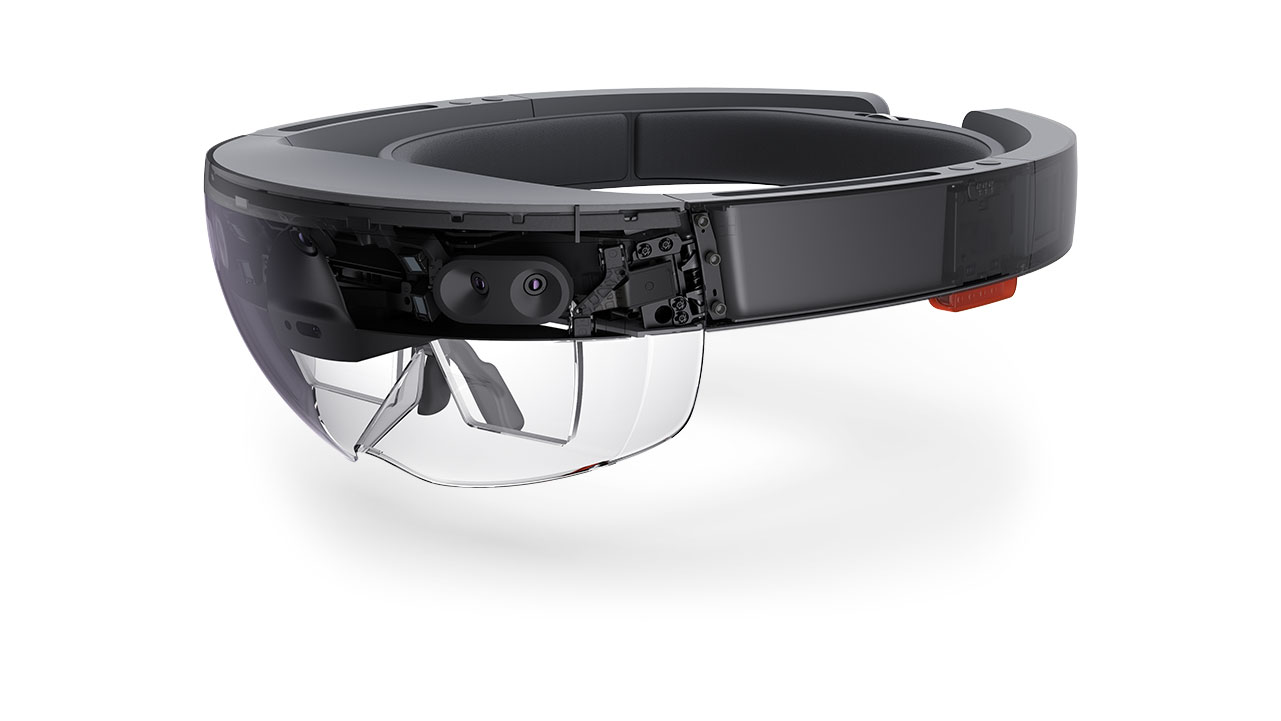
Hololens VR coming from Microsoft is another wonder in the world of virtual reality with the ability to fit into many industries. Hololens uses augmented reality to create 3D objects in real space via holographic technology. The Hololens is a wireless holographic device using Windows 10 operating system to blend the digital and real world in an amazing way. This is definitely going to be a great tool for AEC professionals when finally released.


7. KINECT

This VR tool is a household name to gamers, particularly users of Xbox One, yet its capability is not limited to gaming. The Kinect utilizes a combination of built-in devices and sensors to capture motion and sound and can detect multiple objects and movements within its depth of view. 


The Leap Motion Controller is yet another name in the VR world; it allows the use of one’s arms in the VR environment. Built with a technology that convert the physical hand and finger movements into 3D signals with an excellent level of accuracy, the Leap Motion Controller is surely another useful tool for AEC industry.


9. MYO

Imagine a wearable armband device that responds to your action almost intuitively. When you this device, it automatically tracked your orientation and movement, detect your gestures and respond accordingly. Myo is a useful device for AEC professionals whether on construction sites or at the office.


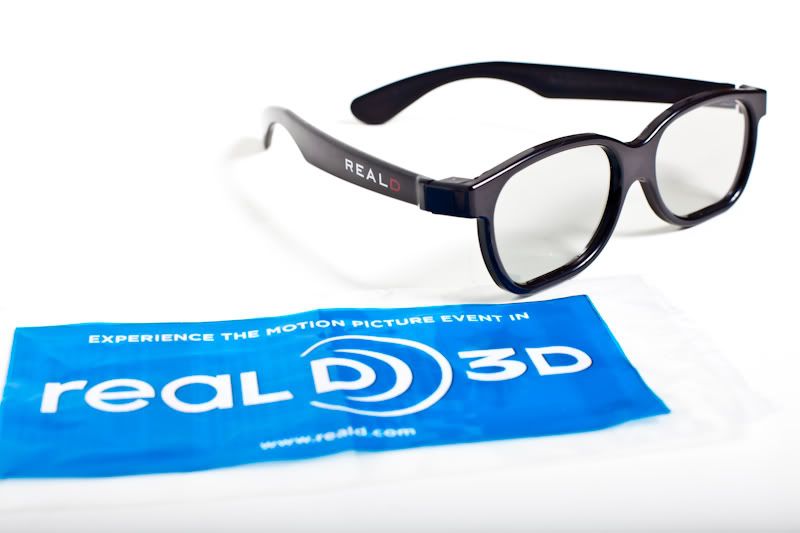
Mostly used in cinemas to watch 3D movies, Real3D glasses use digital projection technology. It gives its users the freedom to tilt their heads and still get the true picture of what is been display on the screen. The AEC industry can as well use this device for projecting technical presentations and other related needs.


11. REVIT

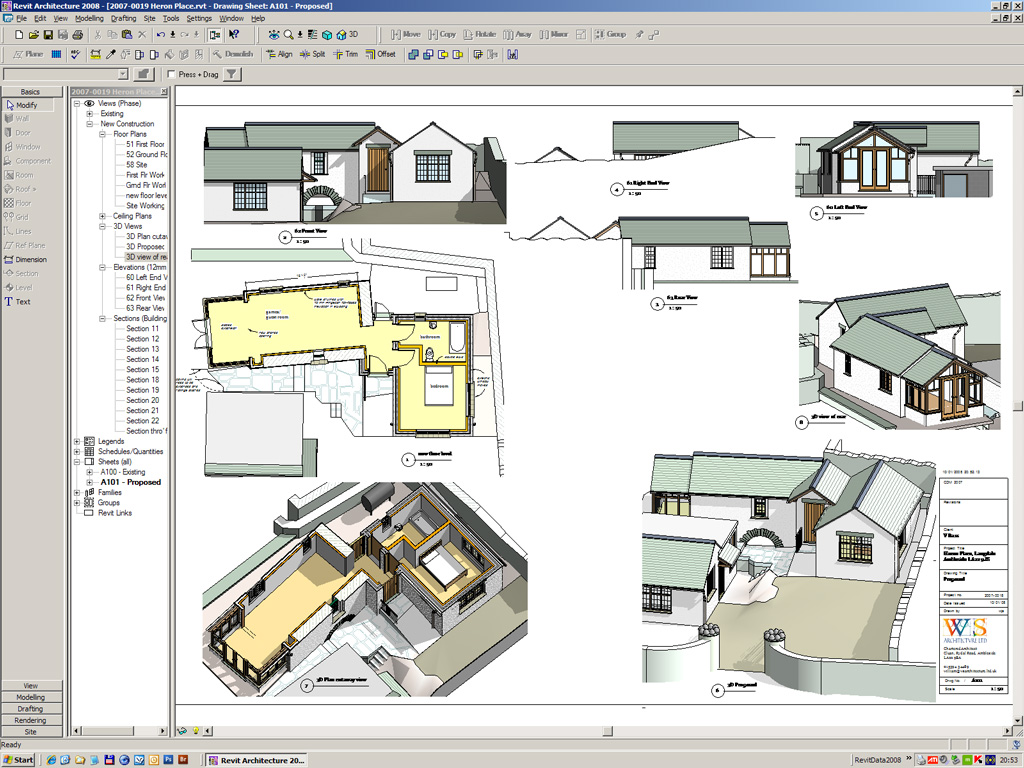
With the Building Information Modeling (BIM) platform from Autodesk Revit, you could create building models in 3D environments and look at your model to see exactly how it will appear in a real environment. It can also be used to convert 2D drawings into 3D models. However to fully explore the renderings, the new beta plug-in V-Ray for Revit is a necessity. Using V-Ray for Revit allow users to immerse themselves in a model before its construction.


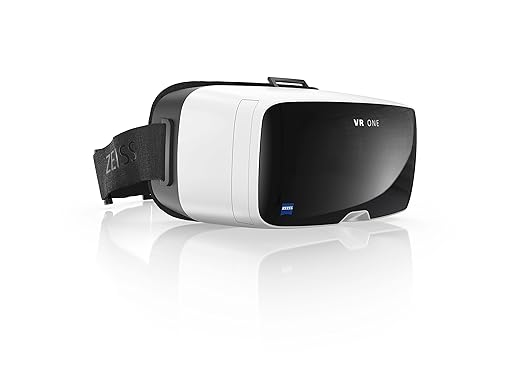
 “Imagine a world without limitations” –that’s a quote from Ziess website about VR ONE. With leading-edge design and excellent lenses precision, almost no limits to your VR experience; clear and sharp picture from the edge to the center. This virtual reality device is now available in the market and work excellently with the Android smart phones and iPhone 6. Design engineers and architects have the opportunity to utilize the VR ONE for basic tray CAD design tool through an innovative open source. However the availability of this tray is subject to the agreement of the respective developers involved. 


13. BLENDERVR

BlenderVR offer its users the possibility to create high quality interactive scenes and porting of scenes between VR platforms configuration without any need for editing. This VR device is gaining popularity daily among architects and design engineers for exploring the VR environment.


When you heard the word “3D”, what comes to mind is visual experience and probably nothing more, but the tech experts at Arup thinks the 3D experience should be taken beyond visual and extend to audio as well. They built a 3D sound lab which simulates real life sounds from built environment.


With this master piece, the world of virtual reality has expanded beyond visual and sound to include ‘touch’. Coming from a research team at Bristol University, touchable holograms is taking VR to a different height of reality as it gives the opportunity to touch and feel the texture of projected holograms. 


With getReal3D for Showcase, you get an incredible experience of virtual reality environment through 3D stereo. Tracking with your head and hands to work around (and in) 3D objects gives you more intuitive interaction and makes angular viewing easier. 

17. GOOGLE CARDBOARD


Google Cardboard is a cheap alternative to many VR devices of similar functionality. The Google Cardboard is a do-it-yourself device that can be paired with many smartphones on Android or iOS to explore the world of virtual reality. 


18. ROTO

Roto gives the users an opportunity to explore VR environment in multiple directions while seated on the Roto chair which rotates and gives multi-directional view in the VR environment.

19. LASER SCANNER

A laser scanner, as the name implied is a device that uses laser beams technology to measure and record the distance of almost every point in every possible directions within a given virtual reality environment. This points and distances measured are then used to create 3D models. This VR device has a wide range of industrial applications ranging from architecture, engineering, to construction, and many more.


20. JAUNT VR

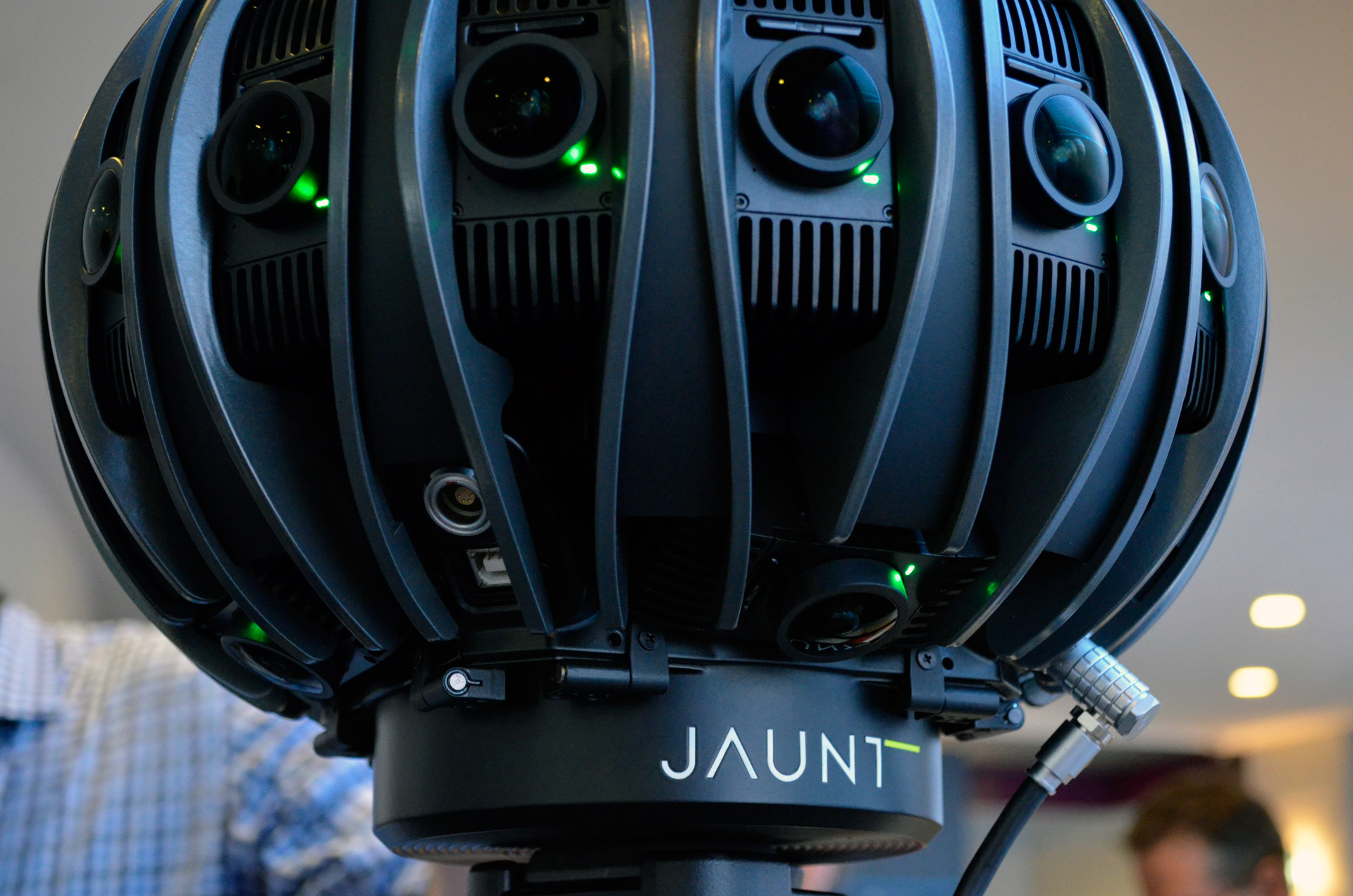
This technology provides design professionals with an end-to-end solution for making cinematic Virtual Reality. Jaunt VR comes with a camera system capable of making 3D stereoscopic videos in all direction and 3D sound-field microphones to record the sound simultaneously. The Jaunt technology allow the user to reconstruct a complete visual and auditory experience and it is compatible with many industry-standard software, including a cross-platform capable for rendering content for the Oculus Rift and other related VR devices.


Extra Credit These Two we had to add

21. OSVR


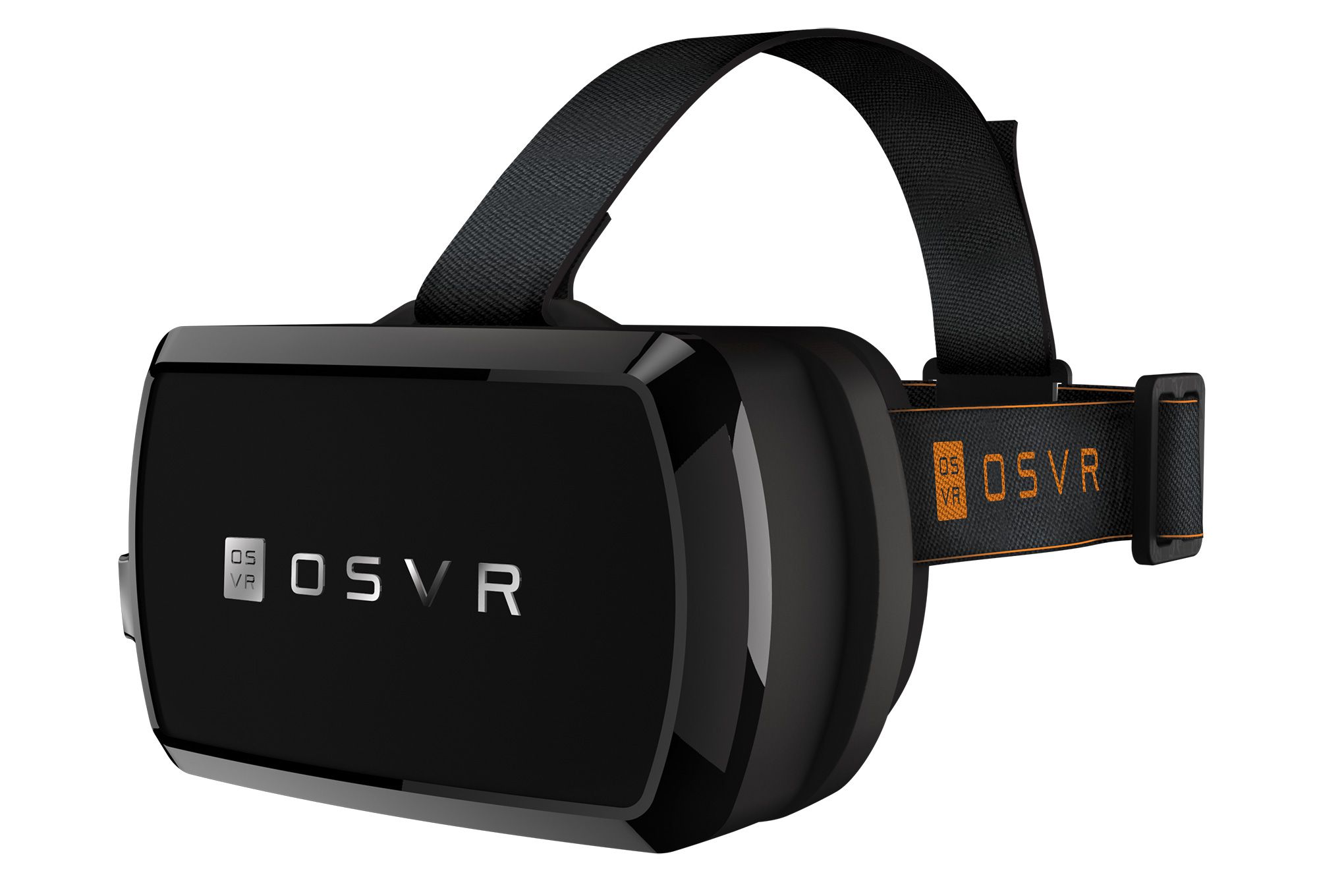
The Open Source Virtual Reality, also known as OSVR, is an ecosystem made to set a new standard in Virtual Reality and provide the best possible gaming experience in the VR space. The OSVR Hacker Developer Kit and software gives you a possibility to build your own VR-Glass designs. AEC professionals could make the best out of this device as they explore its potential in the VR space.
22. SHAPESPARK


Shapespark gives architects and design engineers the possibility to create real time web-based visualizations of high accuracy, thereby making it suitable for meetings or professional presentations.
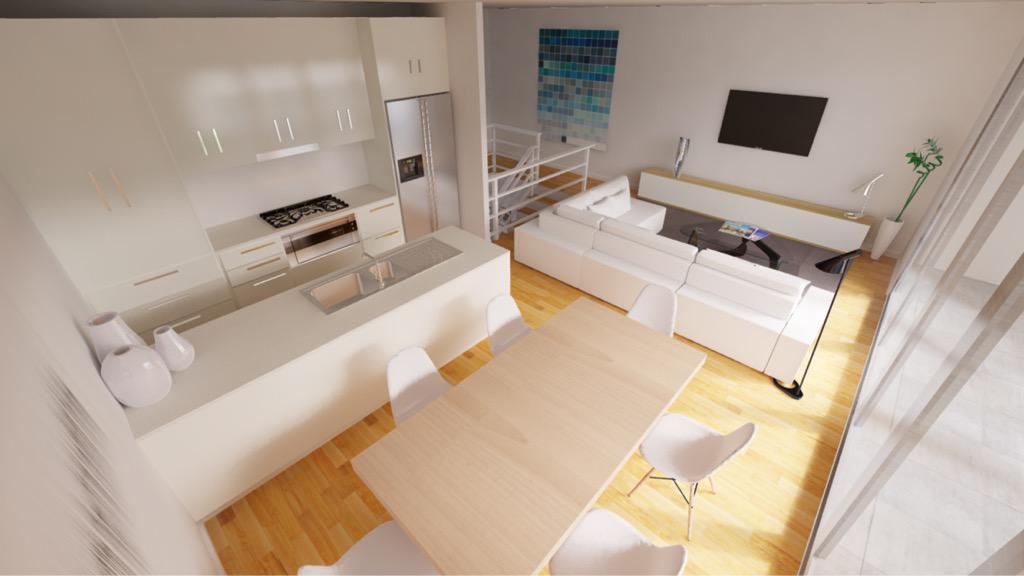

Which was your favorite? Do you have experience with any of these 22, tell us about in in the comment section below. Make sure to follow & subscribe to receive more information like this.

Scan On,
DimTec 3D

Tuesday, July 12, 2016

Tech Tuesday - 3D Printed Holiday Gifts

3D PRINTED HOLIDAY GIFTS

One common feature of holidays is gift sharing. We present lovely gifts to our loved one as a token of appreciating their presence in our lives. Many holidays have gifts that are peculiar to them, for instance boxing of gift items is peculiar to Christmas, and rose flower is more connected to Valentine’s Day. The 3D printing technology has made the production of beautiful holiday gift items possible. Currently, you can get a lovely 3D printed rose flower for your lover on Valentine’s Day.  I will briefly talk about different types of beautiful 3D printed gift items that you can present your loved ones during holidays.

3D Gift

3D printed Birthday gifts: let’s start with birthdays; we all celebrate our birthday once every year and among other things expects to receive beautiful gifts for the celebration. Presenting someone a 3D printed birthday gift can go a long way in expressing how much we cherish the person. 3D printed birthday gifts ranges from simple greetings cards to a big 3D printed birthday cake. There are many amazingly beautiful 3D printed birthday gifts available in the market.

3D Printed Mothers Day Gift

3D printed Mother’s day gifts: the Mother’s Day gives us an avenue to appreciate our mothers for their care and love and to make them feel special by expressing our love for them. A very good way of doing this is to get a befitting gift for them on this special day. Your mother will surely appreciate a beautiful  3D printed Mother’s Day photo-frame specially designed with her name on it. There are many Mother’s day gifts in 3D print such as jewelry, flower vase, and other personalized gifts.

3D Printed Fathers Day Gift

3D printed Father’s day gifts: like Mother’s day, Father’s day is an equally important holiday which gives us the opportunity to celebrate our dads. It is a special day, once in a year where fathers are celebrated by their children in appreciation for the fatherly love. What could be a better way to celebrate our dads on this day than to create a lasting happy memory? You can request to make a customized 3D printed gift for your dad on this day, any gift you can think of, just ask for it.

3D Printed Holiday Gift

3D printed Christmas gifts: Christmas! My favorite holiday, Christmas time is always a good time, filled with much happiness and love. Christmas tree, jingle bells, beautiful carols, and the lovely smell of the air during this period makes Christmas a wonderful holiday to long for. Everyone will agree that the Boxing Day has always been an exciting day; we exchange gifts with our loved one and also reach out to the less privileged with lovely gifts. It may excite you to know that you can now get fantastic 3D printed Christmas gifts, even 3D printed food are now available; imagine the taste of delicious 3D printed chocolate bars specially made for you to share at Christmas.

3D Printed Valentins Gift

3D printed Valentine’s Day gifts: Valentine’s Day is a day to celebrate lovers and express our love. At the beginning of this article I wrote about the rose flower been a peculiar gift to Valentine’s Day, there are many other beautiful gifts available in 3D print to present your lover on this day.

In conclusion, 3D printed gifts are fantastic and affordable; these gifts will sure make the recipient very happy. The 3D printing technology has made it possible to have many varieties of amazingly beautiful gift items for your holidays. Get some 3D printed gifts for your loved one this coming holiday, the experience will be memorable and you will be glad you did. 

Check out some of the presents we have created for our clients HERE.

Scan On,
DimTec 3D
Tuesday, July 5, 2016

Tech Tuesday - 5 Reasons on HOW 3D Printing can profit your Business

5 REASONS ON HOW 3D PRINTING CAN PROFIT YOUR BUSINESS


By now you must have heard about the amazing possibilities of 3D printing technology and its application across a wide range of industries such as health, aerospace, and food. The prospects of 3D printing cannot be over emphasized, as well as the benefits of this amazing means of manufacturing to manufacturers and entrepreneurs. Here are five reasons on how 3D printing can profit your business.

It saves time: 3D printing gives a manufacturer a quick and reliable means prototyping a new product and allows the free flow of ideas towards the development of the product. The process of rapid prototyping enables multiple prototypes of a new product to be made within a short period of time. With 3D printing technology, prototyping is possible the same day the product was designed, thereby saves a lot of time and helps the company to stay ahead of competitors.

It saves money: Prototyping a new product using 3D printing is relatively cheap compared to the method of manual prototyping. The rapid prototyping process makes product development less expensive and leads to a reduction in overall production cost.  The company can easily print prototypes of new products using its own portable 3D printer without having to contract it to a third party company.

It eliminates or reduces risk: Through 3D printing, a manufacturer is able to strictly verify a design and ensure viability before going into mass production of the product. The method of sample printing is used, samples of the products are printed with plastic and then test run. This method of sample printing helps in building confidence about the product before making large investments. It is safer and far cheaper to make 3D sample printing of a test prototype than alter the design of an existing production mold.

It enhances communication: Trying to verbally describe a product you are going to deliver to a client may not always be easy, as the information is likely to be misinterpreted even when product design drawings are available. A sample printing of the product is far better in this regard than any verbal description, it gives the client a clear understanding of the product and makes it easy for him to request for modification where necessary. 

It gives an opportunity for improvement: Releasing a test prototype of a product to a section of the targeted market or potential investors gives the manufacturer an opportunity to know the mind of the prospective buyers or investors. Getting feedback from these people about the product before mass manufacturing is a valuable way to verify market acceptance of the product. Hence the manufacturer can easily make necessary improvement on the product.

In conclusion, 3D printing will greatly improve your business and make it more profitable through rapid prototyping of new products and sample printing before mass manufacturing among other reasons. So if you are yet to join this fast moving train of modern manufacturing, the right time to do so is now.

Order your 3D Prints here.

Scan On,
DimTec 3D

Tuesday, June 28, 2016

Tech Tuesday - Different Types of 3D Printers and Filaments

DIFFERENT TYPES OF 3D PRINTERS AND FILAMENT OPTIONS

3D printers available in different sizes, ranging from the huge commercial printers to the portable easy-to-use 3D printers for home based manufacturing. These printers made use of a number of 3D printing technologies to generate physical 3-Dimensional objects by means of layer upon layer additive manufacturing. The 3-Dimensional objects are made up of 3D printing filament materials which could be Polylactic acid (PLA), wood, metal etc. 3D printers are described by the printing principle involved. Filament printers use extruder type of 3D printing, where the printing material is melted and extruded to generate each layer of a 3-Dimensional object. Most portable 3D printers have a single extruder, and can only print one material or color at a time.

TYPES OF 3D PRINTERS


Portable (Standard) Filament 3D Printers
These printers use the process of fused or filament deposition manufacturing (FDM). This process involves melting a plastic filament, and then deposited it in thin layers to build up a given model. This type of 3D printers has a single nozzle for depositing the filament. These are the cheapest 3D printers; they are simple and easy to operate. However, this type of 3D printers can only print one material at a time and the size of model generated is usually small, about 1,000 square centimeters.

Commercial Filament Printers
These are more complex type of FDM printers, more expensive and have additional or special features compared to the standard filament printer. Some of the special features include multiple extruders and thinner layers (approximately 0.1 millimeters) for improved textured prints. A larger print area gives these printers the capability of bigger prints than the portable printers. Multiple extruders mean multiple colors or materials in one object. However, this type of 3D printers requires specialized maintenance. 

Other-material FDM 3D Printers
Some low-cost printers are designed to use materials other than plastic; these 3D printers can print using air-dried material, such as clay, Sugru and Plasticine. The Plasticine is particularly good for creating models of high flexibility, and Sugru has excellent elasticity strength. Models made from Sugru can be stretched almost like rubber material.

Stereolithography (SLA) 3D Printers
This type of 3D printers uses a photo-sensitive resin and a laser to generate layers of an object till a complete 3-Dimensional object is obtained.  These printers are capable of producing high quality objects, but have limited color options. 

Powder 3D Printers
This type of 3D printer use metal powder to generate 3-Dimensional models through the process of printing by extrusion. Selective laser sintering (SLS) method is commonly used, where a laser sinters melts the powder and extrudes it in layers to generate 3D models. The major advantage of powder printing is that it can support a wide range of materials and can produce multiple colors when a mixture of materials is used. 

FILAMENTS OPTION


Polylactic Acid (PLA): this is a plant-based plastic polymer used in FDM 3D printing to create models. It generates little fumes during extrusion.

Laywood is a composite material used in 3D printing to generate 3-Dimensional objects. It is made up of about 40% of recycled wood, and binding polymers. 

Metals: metallic materials are widely used to print 3-Dimensional models. The metal filament is mostly in powdered form and fused together by laser during extrusion from an FDM 3D printer. Using this metal filament makes 3D printing an excellent means of producing high quality jewelry from materials such as gold, platinum, and silver. 

In conclusion, the 3D printing industry is growing very fast, and more varieties of 3D printers are been designed and produced to accommodate the use of more filament materials.

To place your 3D Printing order with us Click Here!

Scan on,
DimTec 3D

Tuesday, June 21, 2016

Tech Tuesday - What is 3D Printing?

WHAT IS 3D PRINTING?


Manufacturing technologies are advancing faster than some past technologists envisaged. Since the 90’s, the quest to an improved and reliable means of producing intricate parts has led to the evolution of an amazing means of manufacturing, it is called 3D printing. What is 3D printing? In simple term, 3D printing is a kind of additive manufacturing where parts are produced layer upon layers till the final 3-Dimensional object is obtained as a single entity.  3D printing is also called rapid prototyping; it involved using a mechanically automated method of prototyping 3D objects rapidly through a portable or commercial sized manufacturing machine called 3D printer, connected to a computer which has the blueprints for the objects installed. The 3D printing concept of custom design and manufacturing is amazing, and almost unbelievable. This revolutionary means of prototyping of new products in 3D models saves a lot of time and cost of production by eliminating the need to design objects in parts, produce separately, and later glue the model parts together to form a complete prototype. Now, through rapid prototyping you can produce a complete prototype in a single additive process using 3D printing.

Prototyping of new products
The emergence of 3D printing technologies has brought about an increase in the number of new products prototyping via the method of rapid prototyping. 3-Dimensional printers are now been used by manufacturers to make quick prototypes from their own offices or through the service of a specialized rapid prototyping company. This has made it possible to design, produce prototypes and test the given products as many times as necessary within a short period of time. Hence, manufacturers and entrepreneurs are now enabled to be more creative and experiments with different prototypes before starting mass production.

Home-based 3D printing
The evolution of 3D printing has made possible, the printing of custom designs from the luxury of your home using a personal portable 3D printer. Unlike the case before the popularity of 3D printing, having a home based digital manufacturing has become a profitable venture. A portable 3D printer can be used to print custom designs right from the luxury of your home; you can start producing 3D printed household items such as flower vase, and key-holder or even 3D printed gift items for holiday seasons. Also, you can now easily print a broken part and replace it with a 3D printed one within the comfort of your home via the 3D printing technology.

3D Printers are electro-mechanical equipment which produces physical 3-Dimensional objects from digital blueprints containing the manufacturing data by printing layer upon layer. Portable 3D prints can produce physical models of custom designs via a computer aided design (CAD) program or scanned blueprints with 3D Scanner. 3D printing technology is used in many industries including jewelry, industrial design, engineering and construction, architecture, automotive, aerospace, dental and medical industries.

Inclusion, 3D printing has presented us with many possibilities of bringing our creative imaginations to realistic 3-Dimensional physical objects. This makes creativity more interesting and encourages rapid improvement. Want to start experiencing the wonder of 3D Printing and this amazing technology? Contact us and we will happily help you make your vision into a 3D Print. 

Scan On,
DimTec 3D

Tuesday, June 14, 2016

Tech Tuesday - Using 3D Laser Scanning Technology for Fast and Efficient Construction Results

Using 3D Laser Scanning Technology for Fast and Efficient Construction Results


When it comes to construction and designing, accuracy matters a great deal. This is why it is important to make use of the right technology that is able to give life to your ideas and inspirations. The concept of 3D laser scanning has grown to a phenomenal extent in the past few years and it has now become crucial technology used by architects, engineers and designers.

Revolutionary technology
The 3D laser scanning helps converting building models into digital models for accurate and faster estimate of the specific area’s shape and dimensions. Laser scanning is a revolutionary technology that is nothing but a perfect combination of a laser and digital camera for perfect building scans. The tool has been highly useful as it is able to capture the existing condition of even tough areas with ease. It enables fast, high quality and efficient results when it comes to construction activities. It is absolutely possible to make use of the technology in case of laser scanning by stair case and railing fabricators.

How useful?
  • Fast capturing of data
  • Ability to develop CAD model
  • Overall improvement in quality of construction
  • Contributes towards easy and efficient output


Reverse Engineering
There is no doubt over the fact that 3D Laser Scanning has been highly helpful in case of reverse engineering. It captures scans and creates a CAD model of complex areas and surfaces that cannot be measured with other tools and technologies. Using this scan, you can design a completely new area and remodel the functional surfaces, redesign a specific area without causing any overall defects and perform many other complex functions with utmost convenience.

DimTec 3D, LLC

Since, laser scanning is a booming area that needs expert intervention, it is best to go with a 3D laser scanning service provider with experience and expertise in this field. DimTec 3D LLC is a topnotch provider in the space that not only offers exceptional 3D laser scanning service but also offers training programs on laser scanning.

It is also possible to get FARO Focus 3D equipment rental from the company as well in order to get professional scanning experience. The company is flexible when it comes to rental duration and offers the best of technology to one and all. One can pick out the suitable equipment that matches the requirements from the various tools available.


DimTec 3D, LLC is an industry leader in the world of laser scanning and they provide a wide range of services to choose from. 

Scan On,
DimTec 3D
Tuesday, June 7, 2016

Tech Tuesday - Application of lasers in insurance

Application of lasers in insurance


Laser technology has improved over the recent past. Laser industry provides insurance cover to its customers. 3D scanning is an efficient method of detecting the current condition of a building. FARO insurance diagramming software is designed for property insurance, analyzing loss control, risk analysis and also fire protection diagram.

 Laser scanning is useful in insurance companies and handles the following tasks

ü  Assessing property values
ü  Calculation of areas
ü  Surveying inventory in 3D
ü  Risk management functions

3D data is useful in cases of damages. Survey is carried out using software to determine damaged object, that is before and after are compared and is visualized directly. Insurers attempt to check each claim via imagery observation. These lasers detect damages like those caused by fire, natural calamity etc. The amount of damages experienced is quantified more accurately  this will help while setting premium with adequate margin in contrast to quantification. This has revolutionized in insurance company.

 Desktop publishing is an application which is important in insurance industry where lasers printers are used for printing insurance forms, policy pages among others. It also scans pages, generates the kind of font required and also integrates images into single page.

Insurance companies use laser scanning to document the condition of their property’s which they are insuring thus setting a baseline for worthiness and obligation. Laser scanning provides an objective three dimensional dataset.

Laser therapy, a medical breach therapeutic device has incomparable applications and also treatment outcomes. Lasers converts light to biochemical energy thus result in normal functioning of the cells and causing pain to disappear. Laser dentistry for instance provides insurance. Since lasers are used in periodontal treatments insurance has to be covered. Insurance carriers compensate for the procedure being undertaken. Before any surgery is carried out on a patient or treatment by lasers they are always informed whether the procedure is covered and also the extent of coverage.

Laser image scanning provides for real time business intelligence for top managers. The company also keeps track record.  It helps clients to remain spirited through top technology.

Scan On,
DimTec 3D

Tuesday, May 31, 2016

Tech Tuesday - Applications of lasers in architecture

Applications of lasers in architecture


Laser scanning are essential for pre-existing architectures-that is from the start to the final stage of construction. Data collected from the scans are important because information that supports analysis, design and prefabrication are provided to the architects. 3D scanning offers a cost-effective, accurate and a resourceful means of capturing data which is necessary for design documentation and construction. The data obtained has a continued value during basic services involved for architectural contract. Its accuracy reduces construction rework. High definition scanner allows non-destructive technique for recording 3D image for a building. Its distinctive ability to accurately record flat and irregular surfaces makes it a precious tool within an industry. When appropriately scanned in a field, the consequential data will capture each nuance of the building’s surface, like the variations on the surface plane of rusticated stone wall, or the distension and tilts in apparently horizontal planar wall and floors. Modern designs seek on creating buildings with many undulating surfaces or non-planar walls hence 3D scanning is demanded and an effective method of gaining accurate documentation for design and construction.

Laser scanning in architectural field result in high precision and the choice of materials is unlimited. Implementation of 3D scanners creates even building information modeling (BIM) workflow that is from acquiring of data to a polished architectural model. Scanning to BIM service is becoming popular thus the growth of 3D scanners. The uses of 3D scanners assist while creating something from initial study to refined rendering of the location. It in turn provides data to generate polished and accurate deliverable. In development stage laser scanning construction enables architects to work with finer details without documenting excessively.


Laser Scanning being the modest measurement technique, it allows an individual to monitor the progress of construction and verify the exactness of work. Whether using it as a gadget for quality control, proving contract fulfillment, identifying and determining clashes between a plan and the reality. Laser scanning so provides an extensive documentation of the site unrivaled through other technologies. The reference points from original scanning and from registration process permits for seamless assimilation and instant clash detection.

Scan On,
DimTec 3D

Tuesday, May 24, 2016

Tech Tuesday - Applications of lasers in historical preservation

Applications of lasers in historical preservation


Capturing our legacy and artifacts within its existing state is vital for preservation and also to gain comprehensive knowledge. The use of 3D scanners allows current state data to be captured promptly including images with no disruption and getting in touch with the artifacts. Analysis and visualization is performed easily inn a virtual environment created. Laser scanning are essential for pre-existing historical preservation. Modeling construction from point clouds grants avenues for surveying virtual interactivity especially in inaccessible environment. The use of laser scanners together with digital documentation techniques and also traditional method it provides a useful way of documenting spatial characteristics of the sites. Through this spatial information provided the archaeologist, conservators and site managers are able monitor sites and perform any renovation work which ensures physical integrity.

3D terrestrial scanners are becoming a common technique which is accepted because of it’s entirety, accuracy and fastness specifications. It is able to document historical tribute façade information in a 3D environment, owing to its capability of providing users with superior spatial data for constructions in difficult 3D scenes within a short time. The colored point cloud information/data obtained from the 3D scanner is used to offer a realistic notion of a monument for users to navigate the view point around it and viewing it from all angles. This technique provides high efficiency in data collection which is useful in unreachable places. Digital photogrammetry and scanning using lasers are the two main techniques used in acquiring data for digital heritage models. Digital photogrammetry method for capturing objects is already established. Combination of digital photogrammetry and laser scanning produces a better 3D model. FARO photon scanners captures up to a 976,000 points/second that is 153metres. These systems are based on phase shift measurement principle and provide large field of view of about 3600 for horizontal direction and 3200 for vertical direction.


Data obtained are made accessible to a wider audience. This data facilitates educational purpose and also opening up these sites for the general public to take electronic tour via virtual tourism. Lasers are also used in historical space preservation. A laser in preservation of cultural heritage offers a systematic outline of the fundamental and applications of laser scanning techniques in artwork preservation and also archaeological science.

Scan On,
DimTec 3D

Tuesday, May 17, 2016

Tech Tuesday - Application of laser in interior design

Application of laser in interior design


Interior design involves planning of indoor spaces and ensuring objects are placed inside whether it’s for a private residence, recreational, business or commercial space. It takes advantage of high- tech material thus laser technology is used for creating unique and matchless items. Laser technology combines high-quality devise and elegant products to produce a brilliant result that satisfies the customers.

There are various applications of laser in interior design. They include: manufacture of wooden furniture, textiles, furnishings, tiles and granite objects, Velcro and polyester material, laser cutting, engraving of materials, marking, etc. Laser scanning is more profitable since with the unlimited choice of materials, it grants you freedom while designing your personal model.
Laser technology has enabled individuals to customize their materials accordingly. Natural woods, MDF and other materials are cut and engraved concurrently. Lasers also produce fine work even on contour curves and indentations below 0.1mm. The use of cutters or saws is inconceivable for this process. Designs which are based on sketches are advanced by use of software which in turn transfers information into manageable format. The uses of laser in modern manufacturing industry result in time saving.

Holography is applicable in interior design. Specific kind of holograms allows each colour of diverse objects within a scene. Others allow partial mixing of colours at some specific views. In order to display these colours laser beams of red, blue and green are dropped on holograms. Designers employ technical holograms to attract the viewers, hence excellence in design.

Laser cutting, digital knitting and CNC machining are technologies and tools used in interior and fashion design. Digital knitting technology enables dresses to be weaved from digital fashion design.

The advantages of using laser in interior design includes
  • It is simple in productivity through PC design program.
  • Has high precision of fit
  • High edge quality for both interior and exterior contours. No fraying of fabric in that it’s lint-free and clean.
  • Tools do not wear or lose quality.
  • There is significant prospective of cost saving for a higher quality raw materials.
  • Since its contact free and force free processing then there is no material fixation.

Scan On,
DimTec 3D

Tuesday, May 10, 2016

Tech Tuesday - Applications of lasers in ship building

Applications of lasers in ship building
A high-accuracy method of building commercial ships is anticipated to reduce the amount of time required for building a ship and also to improve the quality of a product. Laser and arc welding is employed such that a hybrid laser arc welding technique is achieved and it uses low heat welding. It also reduces deformations of the welded parts.

Hybrid laser arc welding coalesce the deep welding penetration and the associated heat input is low and the laser welding with power efficiency and greater gap tolerance of Gas Metal Arc Welding (GMAW) thus creates a new welding alternative. Deep penetrations and faster welding speeds in laser welding leads to reduction of heat infusion into the part and consequently reduction of distortion that causes plates to bulge and warp. Addition of GMAW in tandem with the laser and moderate amount of filler metal creates a wider weld bead which is capable of bridging large weld gaps. Addition of GMAW on to the welding mix enhances metallurgical stability, with a slower cooling rate of GMAW result in welds with less brittleness, greater strength, tough and ductile. Hybrid laser arc welding process resolves a demerit of laser-only welding. It has allowed the industries to shift to higher strength and designs which are of lightweight without distortions that usually result from conventional welding. Hybrid laser arc welding is used to build ship decks and stairs. In shipbuilding metallic sandwich panels are used. Sandwich panels have three layer structures, which consist of a higher strength material which is separated by low weight and density core material. It is designed with fiber reinforced polymer composite.
Construction application for ship building

Owing to the stiffness of steel sandwich panels, it can span over a longer distance. It also holds more floors hence providing enough space. Sandwich panels have two main advantages in transportation industry. Its reduced weight result in saving fuel cost. Reduced weight allows a subsequent increase of the product volume and also cargo weight. A Sandwich panel structure offers a highly superfluous load path. If at any instant is damaged the load is redistributed and it absorbs energy from the crash thus protecting the cargo and passengers.


Hybrid laser arc welding reduces production cost, improves weariness and corrosion life, and reduced phase costs thus has led to improvement in manufacturing fields.

Scan On,
DimTec 3D